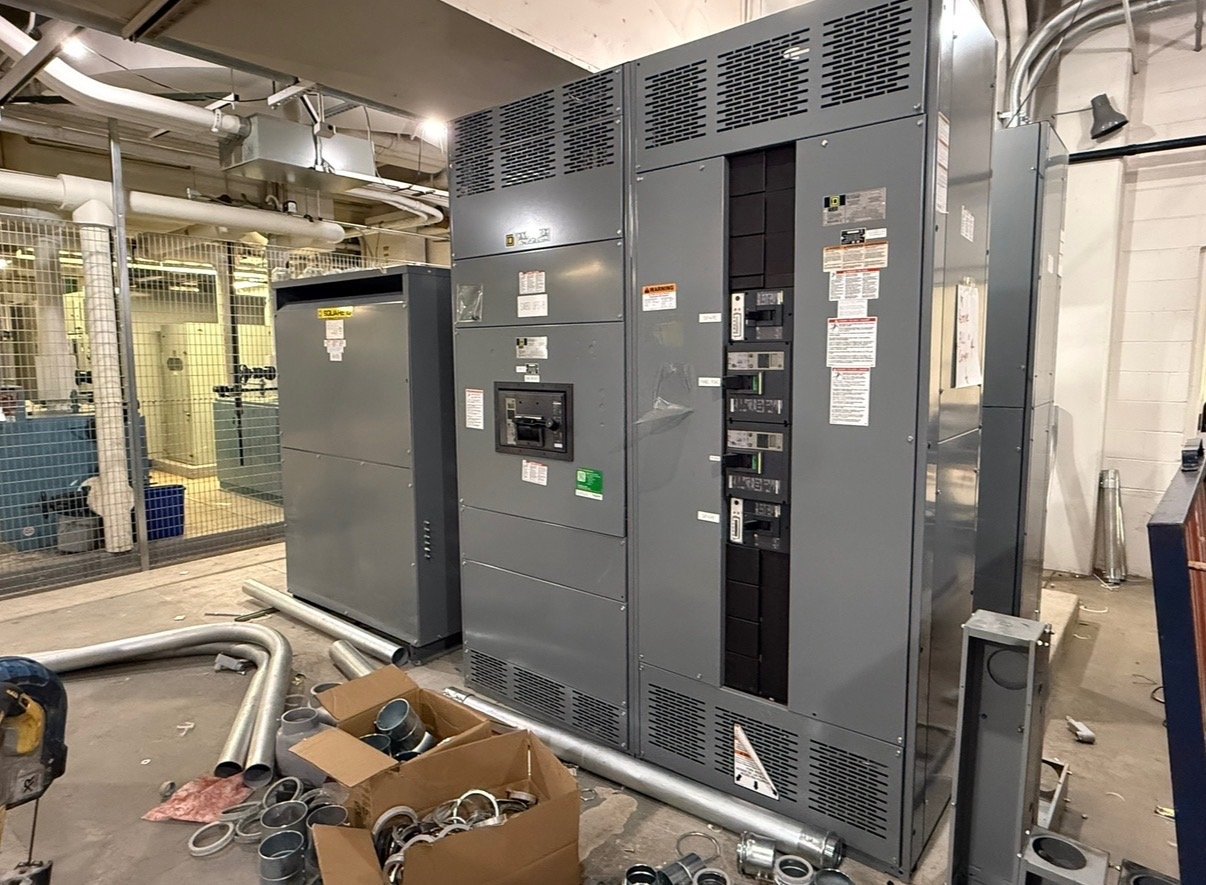
Start with the task and hazard assessment
PPE selection should follow a documented assessment of the work and the hazards present. Identify the equipment, its condition, the task being performed, who may be exposed, and whether the work involves installation, inspection, operation, testing, or maintenance. The assessment should account for the facility’s procedures and applicable workplace safety requirements, rather than assuming one PPE package fits every activity.
For switchgear and switchboard projects, the equipment nameplate or nominal voltage does not by itself determine the complete PPE selection. Electrical hazards depend on the system, the task, the equipment’s configuration and condition, and the work method. A qualified electrical safety professional should evaluate those factors and establish controls. PPE is one part of risk management, not a substitute for de-energizing equipment when required, safe work practices, or restricted access.
Translate findings into equipment requirements
A useful assessment identifies the specific protective functions needed for each task. Depending on the hazards, the employer may need to evaluate protective clothing, gloves, eye and face protection, head protection, hearing protection, and footwear. Each item must be appropriate to the exposure and compatible with the other items worn. Selection, use, inspection, care, and replacement should follow applicable rules and the equipment manufacturer’s instructions.
Arc-flash and shock assessments require task-specific information and qualified analysis. Do not infer an arc-flash boundary, incident energy, approach limit, or PPE category from a switchboard’s UL 891 construction standard; UL 891 applies to switchboard assemblies and does not establish those work conditions. The project team should use the facility’s current electrical safety documentation and engineering determinations, and resolve missing or changed information before work proceeds.
Coordinate PPE with switchgear design
When specifying new equipment, share the intended system application, available electrical data, one-line diagram, equipment arrangement, and the planned operating and maintenance tasks. Explain whether the scope includes a new switchboard assembly, replacement equipment, or a custom-built configuration, and identify relevant access, cable-entry, space, and interface constraints. These details support a more useful equipment review; they do not replace the employer’s hazard assessment or establish PPE requirements.
Design decisions can affect how personnel access, operate, inspect, and maintain equipment. Discuss operating controls, compartment arrangement, barriers, labeling, and maintenance access with the project’s responsible engineers. Confirm how the proposed assembly interfaces with existing gear and facility procedures. Any protective feature, construction detail, or rating must be reviewed for the particular design and application; do not assume an equipment option eliminates exposure or changes a worker’s required protection without qualified assessment.
Make procurement decisions from verified information
Before requesting a quote, provide the equipment type and scope, drawings or one-line information available, system requirements, preferred configuration, and the project’s required delivery location in Georgia. Include the intended tasks and any relevant documented hazard-study findings that affect equipment interfaces or project coordination. State which details are preliminary, who will approve technical submittals, and what dates the project is planning around.
Ask which design details remain open, what documents will be provided for review, and when the proposed configuration and schedule can be confirmed for the order. American-made components, custom configurations, and nationwide shipping may be available depending on the specified scope. Component origin, availability, and delivery timing are confirmed for each order; do not treat a general capability as proof that a particular part is in stock or that a schedule is guaranteed.
Plan the handoff before work begins
A clear project handoff keeps equipment information separate from the employer’s responsibility to select and manage PPE. Provide approved drawings, equipment documentation, applicable labels, operating instructions, and agreed interface details to the facility team and qualified electrical contractor. The employer should incorporate relevant information into site procedures and the documented hazard assessment, then train affected workers on the tasks, controls, and PPE requirements.
Revisit the assessment when equipment, system conditions, work methods, or tasks change. On delivery, verify that the supplied configuration and documentation match the approved submittals before installation planning proceeds. Installation, inspection, testing, and energization belong to qualified personnel following approved procedures and applicable requirements. For a Georgia project, confirm the delivery site, receiving constraints, responsible reviewers, and needed handoff documents while the equipment scope is being finalized.
Use a practical selection process
The key procurement question is not simply which PPE to order. Ask whether the documented assessment covers each planned task, whether the supporting electrical data and labels are current, and whether the proposed equipment arrangement matches the approved design. Identify unresolved hazards, required engineering reviews, and the person authorized to accept the technical submittal. This makes responsibilities visible without treating a supplier’s equipment information as a site-specific safety determination.
Before releasing a switchgear or switchboard order, assemble the task list, available drawings, system data, configuration requirements, delivery address, and project milestones, then name the reviewers responsible for engineering and safety decisions. Have qualified personnel resolve assessment gaps and confirm PPE under applicable workplace rules before work starts. This sequence gives the manufacturer the information needed to define the new equipment scope while keeping PPE selection grounded in the actual workplace hazards.