Start with the classification documents
Area classification drawings and supporting engineering documents establish which locations require equipment suitable for hazardous conditions. Before requesting a switchgear quote, identify the applicable drawings, revision dates, equipment locations, and the authority responsible for approving the classification. A process narrative or an informal note on a one-line diagram is not a substitute for the project’s approved classification basis.
Boundaries can change with equipment arrangement, ventilation, operating conditions, or project revisions. Check that plans, electrical layouts, equipment schedules, and construction documents show consistent limits. If a boundary is unresolved or disputed, obtain direction from the project engineer and applicable authority rather than asking a manufacturer to infer the classification from a facility name or process description.
Match equipment to its actual location
The key procurement question is not simply whether a project is in oil and gas. Determine whether the proposed switchgear or switchboard sits inside a classified area, outside it, or near a boundary where the installation layout may affect the determination. Provide the equipment-room or outdoor location, relevant classification details, and any project requirements for the enclosure and installation environment.
Equipment suitability depends on the actual classified location and the complete installation design. The responsible electrical engineer must select and review equipment against the applicable classification system, area designation, and project requirements. Do not assume that ordinary indoor switchgear is appropriate because it is enclosed, or that a particular enclosure resolves a hazardous-location requirement. Confirm the equipment’s intended use and installation conditions before release.
Keep classification separate from switchboard standards
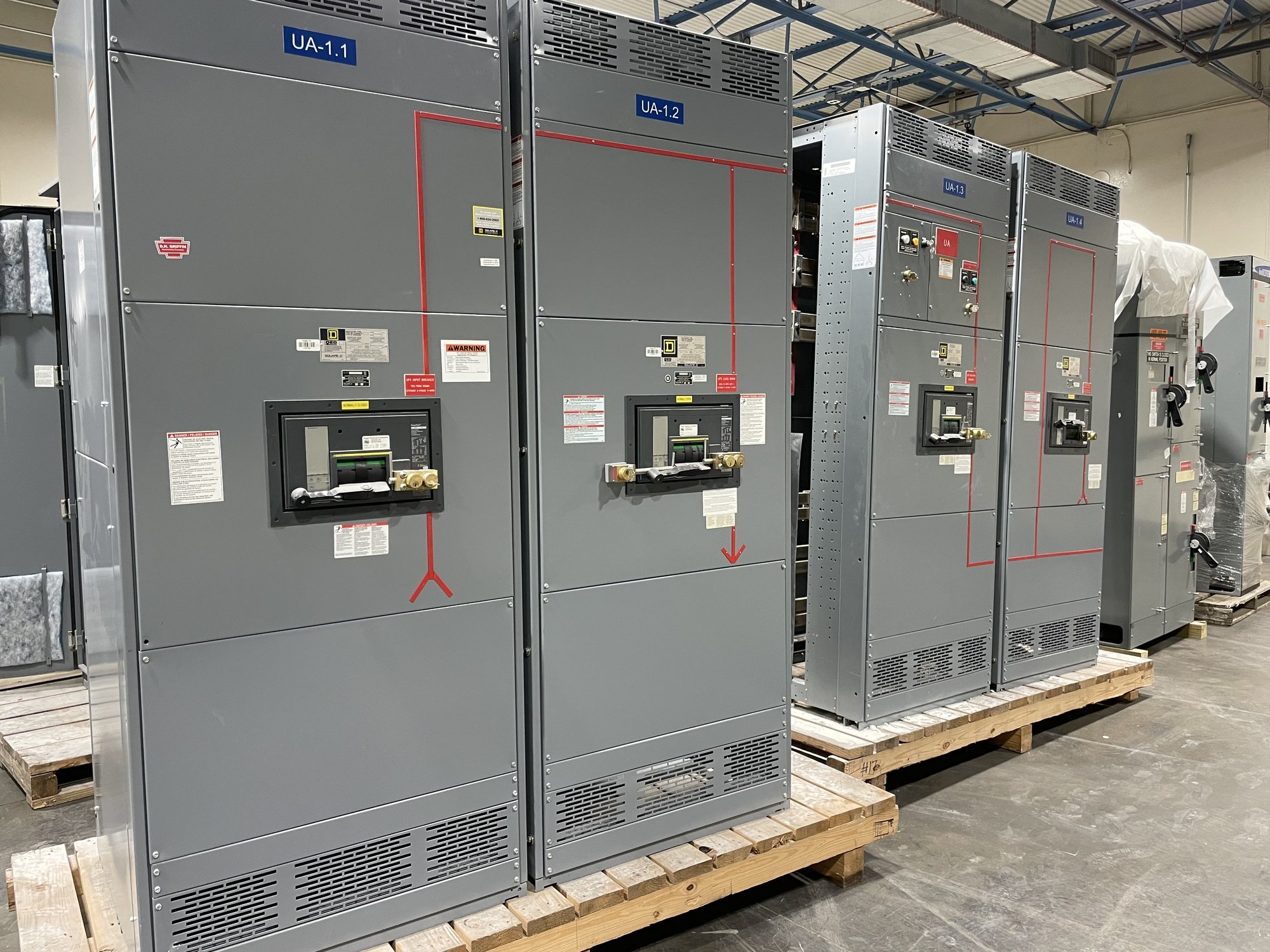
UL 891 applies to switchboard assemblies; it does not establish hazardous-location suitability and does not serve as a blanket listing for medium- or high-voltage switchgear. When specifying a UL 891 assembly, state the assembly requirements separately from the classified-area conditions. The engineering team must verify that the proposed equipment and installation meet the project’s applicable requirements and receive the necessary authority review.
For a project with both classified and unclassified electrical spaces, identify which equipment serves each space and where each assembly will be installed. This distinction helps prevent a general project designation from being applied indiscriminately to every lineup. It also gives procurement a clearer basis for comparing proposed scope with the drawings, specifications, and equipment schedule.
Resolve design and interface questions early
A useful equipment package includes the current one-line diagram, equipment schedule, classification plans, electrical room or site layout, and relevant specification sections. Include system voltage, phase and frequency, bus and feeder requirements, available fault-current information, and the project’s control or metering needs when established. Identify outstanding engineering decisions rather than treating preliminary values as approved requirements.
Coordinate the switchgear location with cable entry and exit, conduit routing, access, clearances, environmental exposure, and connections to adjacent equipment. Changes to a boundary or room layout can affect the equipment scope and field interfaces. Ask the engineer of record to resolve conflicts between drawings and specifications, and document approved revisions so purchasing, manufacturing, and installation teams are working from the same basis.
Give procurement a quote-ready scope
For a manufacturer quote, share the project location in Georgia, requested delivery destination, required ship date, and current document revisions. Provide the equipment type and quantity, system data, lineup arrangement, breaker and feeder schedules, enclosure or installation conditions, and any identified classified-location requirements. State whether the request is for a new UL 891 switchboard assembly or another switchgear scope, and flag items still awaiting engineering confirmation.
American-made components and custom-built configurations can be considered against the defined project scope, but component selection, availability, and schedule are confirmed for each order. Include required submittal and approval milestones, inspection or documentation needs, and the planned site sequence. Nationwide shipping can support Georgia projects; delivery arrangements and timing depend on the order and destination, so align them with the construction schedule before purchase release.
Close the boundary-to-installation handoff
Before manufacturing release, reconcile the final classification documents with equipment tags, locations, one-line diagrams, and approved submittals. Record who owns any remaining classification decisions and which documents govern the build. This handoff reduces the risk of ordering equipment against an outdated boundary or leaving installation teams to resolve a design question in the field.
For the next step, assemble the current classification plan, one-line diagram, equipment schedule, location details, and open engineering questions into one quote package. Ask the project engineer to confirm the equipment’s intended classified or unclassified location, then request a scope and schedule review against that basis. This gives the manufacturer, procurement team, and Georgia delivery planner a consistent starting point.