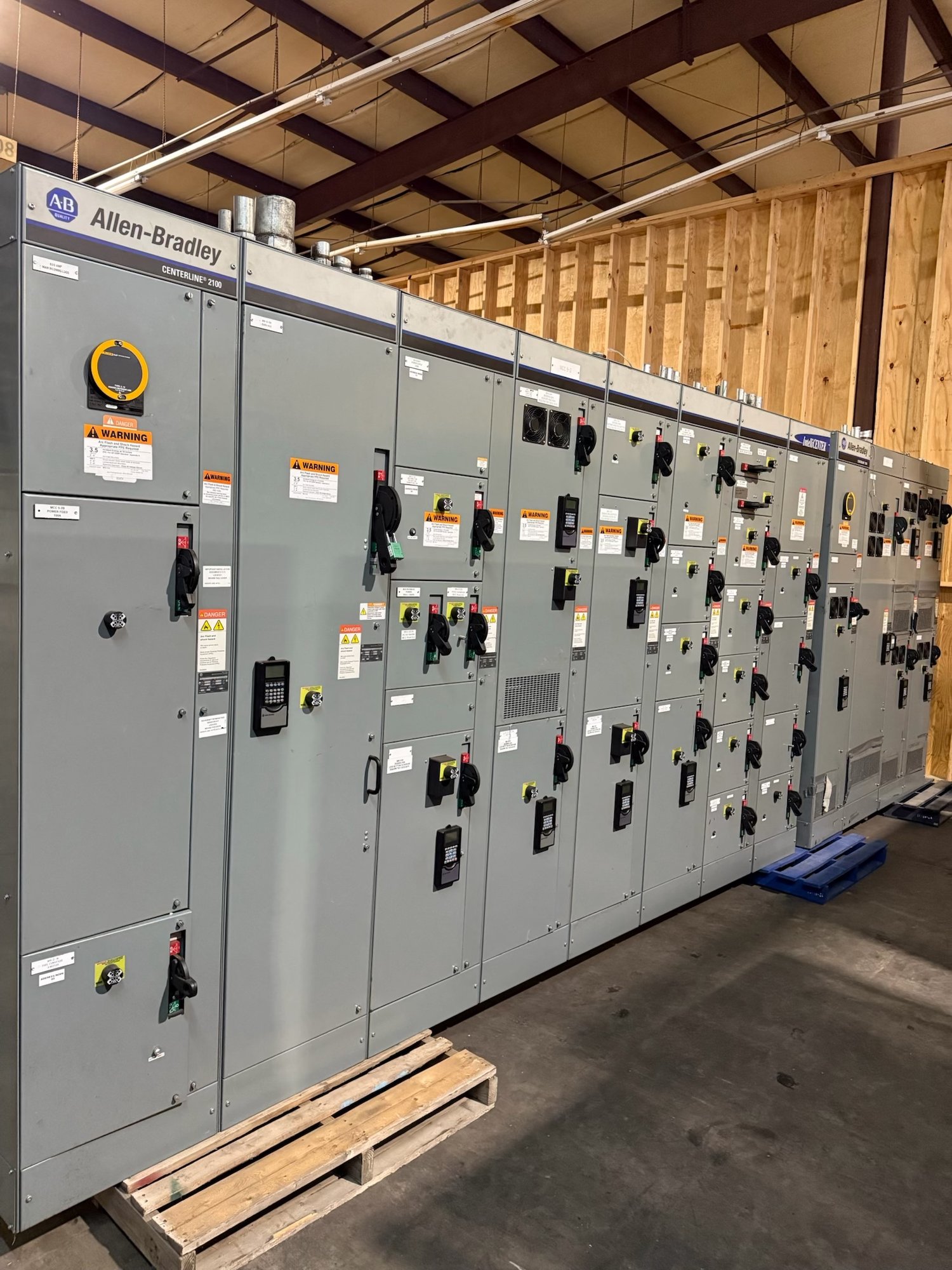
Start with the service-change objective
Define what is changing before selecting equipment. A project may replace aging service equipment, add a distribution section for new loads, separate tenant services, or coordinate a larger utility service change. Those goals affect the lineup, connection points, metering provisions and the work that must remain outside the new assembly. Identify whether the request covers service and distribution equipment together or only a defined portion of the building system.
For an Alpharetta office building, include the current one-line diagram, equipment schedules, available short-circuit information and any utility or engineer-issued service requirements. Note known discrepancies between documents and field conditions rather than assuming existing labels or drawings are current. The project engineer and serving utility determine applicable design requirements; the manufacturer can review the specified equipment scope against the information provided.
Account for office occupancy and phasing
Occupied buildings make shutdown planning a core design input. Record which tenants, elevators, life-safety systems, mechanical equipment, data rooms and other critical loads depend on the equipment being changed. Identify planned outage windows, temporary-power assumptions and the sequence for removing old equipment and setting the new lineup. These details help establish interfaces and delivery milestones, but switching, temporary power and energization plans belong with qualified project personnel.
A phased project may need sections installed at different times or provisions coordinated with future additions. Confirm the intended sequence with the electrical engineer and contractor, including what must operate after each phase and what connections are reserved. Do not rely on a future expansion allowance unless its space, bus arrangement and ratings are defined and reviewed. The quote scope should distinguish equipment included now from future work not included.
Resolve configuration and specification questions
Provide the required voltage, phase, wire configuration, service or feeder functions, main and branch device requirements, bus details, enclosure conditions and connection orientation where established by the design. Include the available fault-current basis, required interrupting ratings and any specified withstand or labeling information. These values must come from engineering documents and project review; a building address or existing nameplate alone is not enough to determine a suitable assembly.
For low-voltage switchboard assemblies, identify whether the project specification calls for UL 891 construction and provide the relevant drawings and schedules. UL 891 applies to switchboards; it is not a blanket listing for medium- or high-voltage switchgear. If the service change involves equipment beyond the requested switchboard scope, clarify voltage class, interfaces and procurement responsibility so the proposal does not imply coverage that has not been specified or confirmed.
Coordinate the building and utility interfaces
Service work depends on more than the switchboard dimensions. Share available room layouts, access paths, door and ceiling clearances, floor and housekeeping-pad conditions, conduit entry locations, working-space constraints and restrictions on staging or material handling. Flag whether the building has limited loading access, controlled receiving hours or a scheduled construction sequence. These facts can affect section dimensions, shipment planning and the contractor’s setting strategy; verify site measurements before releasing final equipment details.
Identify the serving utility’s requirements for service conductors, metering, points of connection and approvals, along with the responsible engineer and electrical contractor. Utility rules and project approvals can vary, so provide the current written requirements rather than relying on assumptions from another property. Our team can scope and build new equipment from confirmed project information, while utility acceptance, installation details and final design approval remain subject to the responsible parties.
Make procurement and delivery align
For a useful quote, send the one-line diagram, specifications, panel or feeder schedules, equipment-room drawings, applicable addenda, requested quantity and target delivery window. State the project phase, whether drawings are available for review, and any required submittal format or sequencing. Include the destination in Alpharetta, receiving limitations and the party coordinating unloading. American-made components and custom-built configurations can be considered within the confirmed scope; availability, exact configuration and production timing are verified for each order.
Georgia delivery is coordinated around the project’s destination and readiness, not assumed from proximity. Confirm the receiving contact, site access, storage conditions, delivery appointment process and whether equipment must arrive in a particular sequence. Nationwide shipping is available, with routing and timing confirmed for the order. Align delivery with room readiness and contractor plans, and identify any change in schedule or documents early enough for the project team to assess its effect.
Prepare a clear handoff
Before procurement is released, reconcile the equipment proposal with the engineer’s current drawings, utility requirements and contractor’s installation plan. Resolve open items such as device schedules, cable entry, metering, lineup arrangement, future sections, shipment phasing and the boundary between furnished equipment and field work. Record approved revisions so purchasing, construction and commissioning teams are working from the same scope. Final design decisions and acceptance remain with the responsible engineer and authorities.
To begin, assemble the latest electrical documents, describe the service change and occupied-building phasing, and provide the Alpharetta site’s room and receiving constraints. Ask the project engineer to confirm ratings and utility requirements, then request a manufacturer review and quote against that defined scope. This gives procurement a practical basis for comparing equipment, confirming delivery details and handing the package to the contractor without mistaking an early estimate for an approved design.