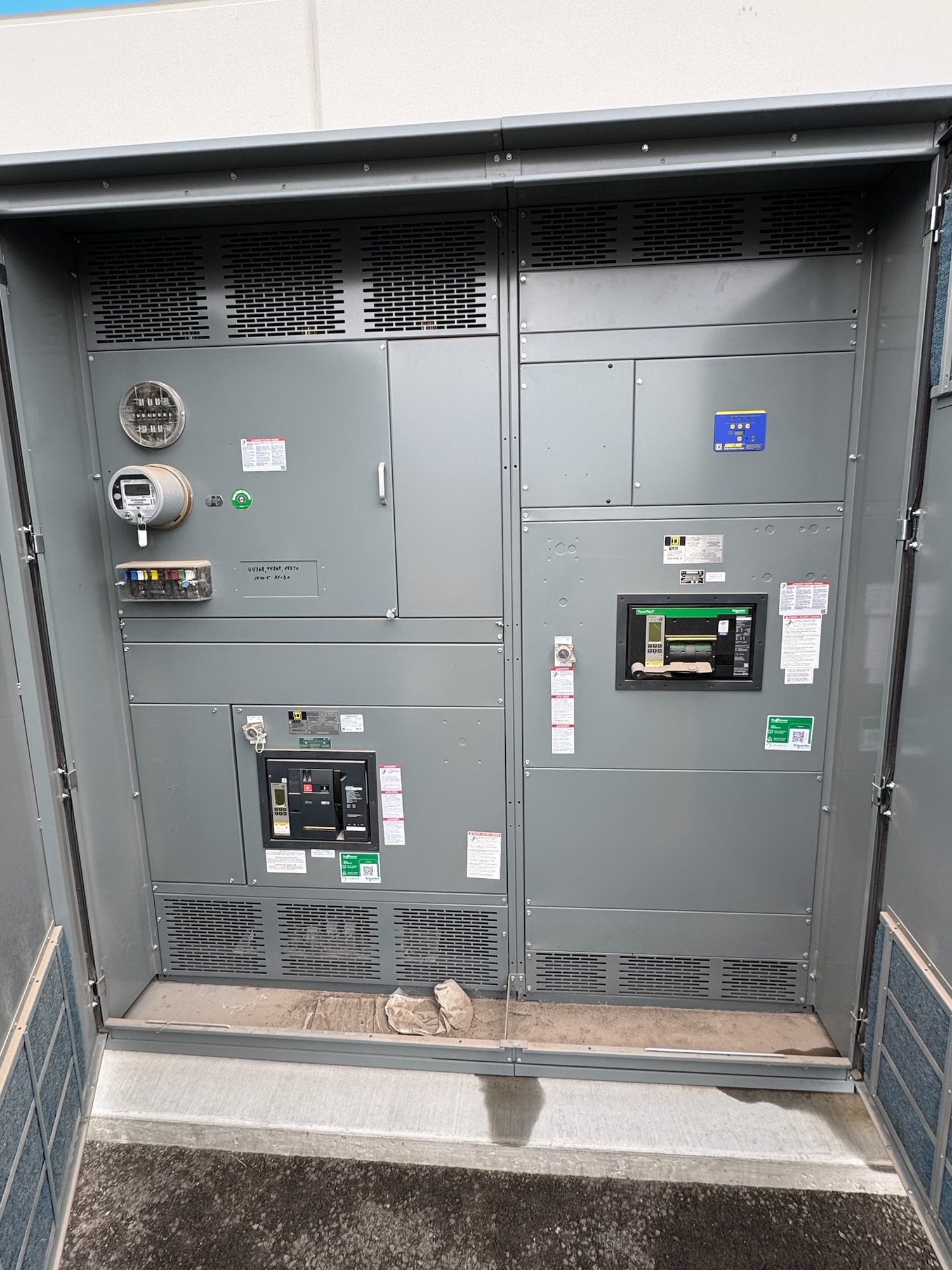
Start with scope and application fit
Compare proposals against the same defined scope. Identify whether the requirement is for a low-voltage switchboard, another switchgear assembly, or a coordinated package, then note what each company includes: incoming and feeder sections, bus arrangement, protective devices, metering, control wiring, and accessories. Do not treat the term switchgear as a complete specification; equipment type and application determine the relevant design questions.
Share the one-line diagram, equipment schedule, load information, available fault-current data, system voltage, service arrangement, and applicable project documents when requesting a quote. Flag existing equipment interfaces, future provisions, indoor or outdoor location, and space or access limits. Ask each manufacturer to list assumptions and exclusions so procurement can compare equivalent configurations rather than superficially similar totals.
Evaluate engineering review and design decisions
A useful engineering review identifies missing or conflicting inputs before they become drawing revisions or field changes. Ask who will review the submitted drawings, how questions and proposed deviations are documented, and what information is needed to finalize device selection and section layout. Confirm which decisions remain with the engineer of record, utility, or authority having jurisdiction; the manufacturer’s review does not replace their approval.
Check that the proposal explains the basis for key choices, including bus configuration, protective-device functions, metering needs, and planned connection points. If the project requires coordination with upstream or downstream equipment, provide the relevant device data and study criteria rather than expecting a vendor to infer them. UL 891 applies to switchboard assemblies; it should not be presented as a blanket listing for medium- or high-voltage switchgear.
Compare build quality and scope evidence
Ask how the manufacturer controls assembly against the approved design, handles component substitutions, and verifies wiring and mechanical work before release. The useful evidence is specific to the offered scope: clear component identification, traceable drawing revisions, documented inspection or test procedures where applicable, and a defined process for recording nonconformances and corrections. Distinguish documented practices from general claims about quality.
Review the bill of material or equipment schedule for manufacturer, catalog designation, quantity, and function where those details are available at the quoting stage. Confirm whether specified components are included, proposed as alternatives, or still subject to confirmation. American-made components may be a project preference, but establish which parts are requested and how availability or approved substitutions will be addressed; do not assume every component has the same origin or status.
Inspect documents and revision control
Compare the document list and the point at which each item will be provided. Depending on the project, useful records can include approval drawings, final drawings, wiring diagrams, device data, installation and operation information, and applicable assembly test records. Ask how drawing revisions are identified and approved, how changes after approval are priced and scheduled, and whether final records reflect the delivered configuration.
For a clean handoff, establish file formats, naming conventions, required submittal dates, and who distributes approved revisions to the contractor and facility team. Confirm what documentation is available for the exact equipment offered rather than assuming every company supplies the same package. This matters when Georgia project teams coordinate shop drawings, construction sequencing, commissioning preparation, and maintenance records across separate organizations.
Test coordination and project support
Ask how the manufacturer handles technical questions, drawing comments, change requests, and manufacturing status updates, and identify the responsible project contacts by role in the proposal or order documents. Clarify which services are included, such as drawing review cycles, factory testing if specified, or support for installation planning. Confirm exact scope and availability for each order; do not rely on an assumed response time or an undefined promise of support.
Map the delivery handoff before placing the order. Provide the Georgia site address, receiving hours, unloading arrangements, access restrictions, delivery sequence, and any jobsite storage limits. Confirm shipment configuration, packaging, freight responsibilities, and the latest delivery assumptions in writing. Nationwide shipping can serve Georgia projects, but route, timing, and handling details must be agreed for the particular order.
Make a comparable, decision-ready shortlist
Use a comparison matrix that records scope match, unresolved engineering inputs, component exceptions, documentation, quality evidence, support responsibilities, and delivery assumptions alongside price and schedule. Separate confirmed commitments from items pending design review or component availability. Ask each company to identify the information it still needs and the conditions that could change the quoted configuration, cost, or timeline.
Before selecting a manufacturer, send the same current specification package to each bidder and request a written list of inclusions, exclusions, deviations, and required customer decisions. Resolve differences with the engineer of record and project stakeholders, then approve the configuration and document schedule before release to build. This process gives Georgia teams a more reliable basis for purchasing new switchgear and a clearer path from quote through installation handoff.