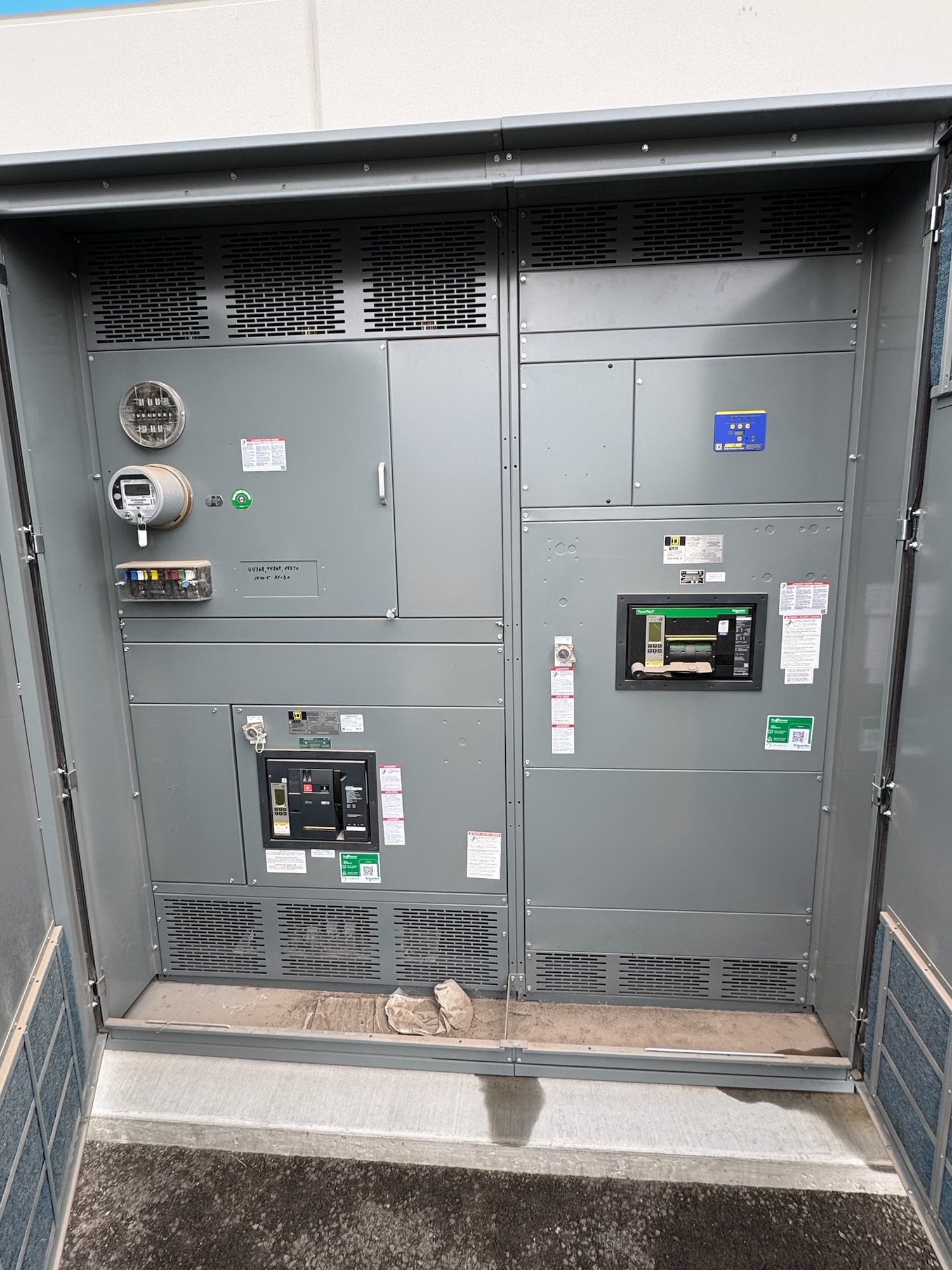
Start with the feeder arrangement
A feeder project can involve a new branch from an existing lineup, replacement of a section, or distribution for added process loads. Those cases call for different equipment boundaries and connection details. Share a one-line diagram or a clear description of the source, downstream loads, tie points, and intended operating arrangement so the quotation reflects the plant’s actual scope.
Identify the number and type of feeders, expected load characteristics, available fault-current information, and any requirements for isolation or selective coordination. Note whether the lineup connects to a transformer, generator, utility service, or another switchboard. These details support engineering review; final equipment ratings and configuration must be confirmed against the site design and applicable authority requirements.
Plan around maintenance windows
For an operating plant, the calendar can shape the equipment plan as much as the electrical design. Tell us the targeted outage window, when equipment must arrive for staging, and whether installation depends on a planned shutdown, phased work, or a temporary operating arrangement. We do not assume a particular window is feasible; plant operations and qualified electrical professionals must determine the work sequence and isolation plan.
Clarify what can remain energized and what must be disconnected, along with access limits, lift paths, door clearances, and the space available for staging. If a lineup is being replaced, provide existing equipment dimensions, cable or bus connection locations, and photographs or drawings where available. Early comparison of these interfaces can reveal fit-up issues before the outage is underway.
Define the assembly and interfaces
Specify whether the project calls for a low-voltage switchboard assembly, feeder sections, distribution changes, or related equipment within a broader package. UL 891 applies to switchboards; it is not a blanket listing for medium- or high-voltage switchgear. The correct equipment type and applicable requirements depend on the system and must be established through project engineering and review.
For each feeder, document the intended conductor or bus connections, breaker and trip-function requirements, metering or indication needs, control interfaces, and spare-way expectations. Include enclosure and environmental conditions, cable entry direction, and any plant standards or drawing conventions. American-made components and custom-built configurations may be considered for the specified scope, subject to confirmation of component availability and final design.
Coordinate procurement with operations
Purchasing managers and plant engineers should align the electrical scope with the maintenance plan before releasing an order. Confirm who will approve drawings, resolve technical questions, and verify compatibility with existing protection and control systems. Identify required submittals, review milestones, and any approved deviations process so procurement decisions do not leave operational details unresolved.
Share the required-on-site date and explain what drives it, such as a turnaround, construction sequence, or equipment replacement milestone. Exact scope, component availability, and production timing are confirmed for each order; no schedule should be assumed until those details are reviewed. If the project has staged delivery needs, describe the sequence and receiving constraints when requesting a quote.
Prepare for Georgia delivery and handoff
For delivery to a Macon-area plant, provide the complete receiving address, site access instructions, delivery-hour restrictions, unloading capability, and any carrier or security procedures. Note whether the equipment must reach a contractor’s staging location first or go directly to the facility. Nationwide shipping can support Georgia projects, but routing, shipment timing, and handling arrangements are confirmed for the specific order.
Before field installation, the handoff should include approved drawings, equipment identification, connection information, and the agreed shipment scope. Compare delivered sections and documentation against the approved package, and route discrepancies through the project team before work proceeds. Installation, testing, and energization belong to qualified personnel working under the site’s approved procedures and applicable reviews.
Build a quote package that answers key questions
For a useful quotation, send the one-line diagram, feeder schedule, known electrical data, existing-lineup information, requested assembly type, and target maintenance window. Add site dimensions, environmental conditions, connection preferences, control requirements, and the project’s drawing and submittal expectations. If some data is unavailable, identify the gap rather than guessing; the engineering review can establish what remains necessary.
Ask the project team to confirm equipment boundaries, ratings, interfaces, delivery destination, and schedule assumptions before purchase approval. This gives plant operations, engineering, and procurement a shared basis for planning the outage and receiving the equipment. Gather those items for the Macon project, then request a scope review and quote built around the site’s confirmed requirements.