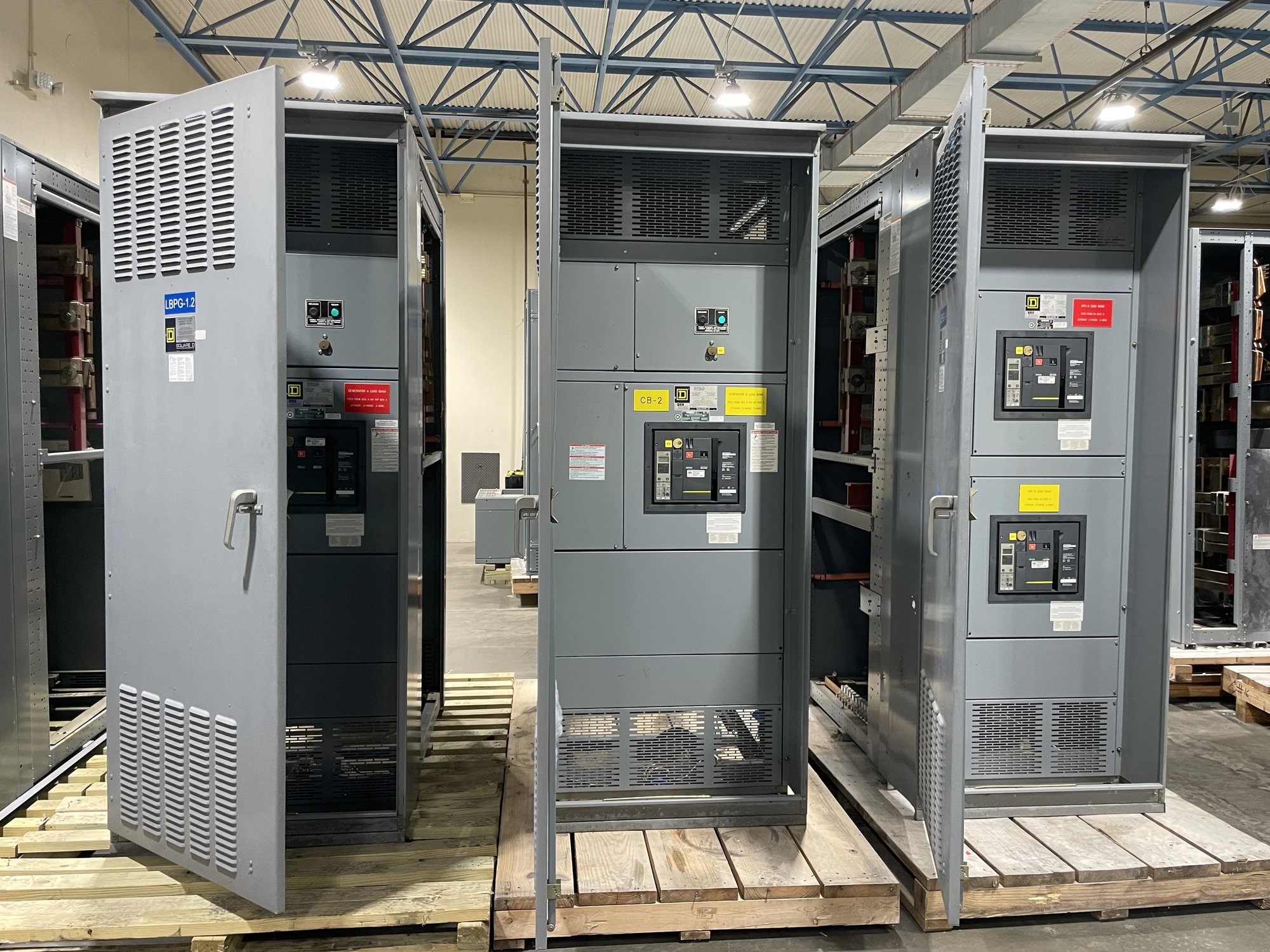
Start with the essential-power boundary
Before specifying replacement equipment, establish which distribution points serve essential electrical system loads and where the project scope begins and ends. Share current one-line diagrams, equipment schedules, available fault-current information, and the intended division between normal and emergency sources. These documents help clarify whether the order concerns a switchboard assembly, other switchgear, or a defined interface between existing and new equipment.
For a healthcare facility, confirm how the proposed equipment connects to transfer equipment, emergency sources, downstream distribution, and any separately specified controls. Identify which components are existing and which are part of the new supply. The engineer of record should resolve system design and applicable code questions; equipment details and ratings must match that reviewed design rather than assumptions based on a facility type.
Plan replacement in workable phases
Phased replacement can reduce the amount of equipment affected at one time, but it adds interface and sequencing decisions. Ask the project team to identify the proposed phase boundaries, temporary arrangements, outage windows, and the point at which each new section will connect to existing distribution. Note whether old and new equipment must coexist and whether the project requires future expansion provisions or staged delivery.
Provide dimensions, room access constraints, cable entry direction, bus connections, and the condition of equipment that will remain. These details can affect section arrangement and the practical handoff between phases. Do not assume a new assembly can fit an existing footprint or mate with legacy gear without review. Qualified electrical professionals must plan and perform installation, testing, cutover, and energization under the project’s approved procedures.
Resolve ratings and construction details
For a UL 891 switchboard assembly, define the required system voltage, phase and wire configuration, main and feeder arrangement, interrupting or short-circuit requirements, and enclosure conditions. Confirm metering, protective devices, control power, communications, and accessory requirements with the design team. UL 891 applies to switchboards; it should not be treated as a blanket listing for medium- or high-voltage switchgear.
A useful specification distinguishes required performance from preferred construction. Identify the manufacturer’s equipment boundaries, incoming and outgoing conductor details, available space, service access expectations, and any coordination or documentation requirements. Engineering review must establish suitable ratings and configuration for the actual system. Final scope depends on complete project information, selected components, and confirmation of what can be supplied for the order.
Coordinate procurement with clinical operations
Procurement teams can reduce avoidable revisions by aligning the equipment specification with the outage and construction schedule before requesting a quote. State the required submittal milestones, review path, phase sequence, and any constraints on receiving or storing equipment. If the project depends on an existing lineup or a narrowly defined cutover, provide interface drawings and identify which dimensions or connection details still need field verification.
American-made components and custom-built configurations are available as project considerations, not assumptions that every requested part is in stock or suitable. Share approved or restricted component requirements, alternates policy, and any owner standards. Exact scope, component availability, and timing are confirmed for each order. This gives purchasing managers a basis for comparing a quoted configuration with the engineer’s documents and the contractor’s installation plan.
Prepare a complete Macon quote request
For a useful quote, send the project location in Macon, equipment type, current one-line diagram, specifications, preliminary schedules, and the number and function of sections. Include known voltage and fault-current requirements, enclosure and access conditions, cable entry preferences, metering and control needs, and required interfaces with emergency and transfer equipment. Clearly label unresolved items so the team can identify what needs engineering confirmation.
Also share the project phase, target submittal and delivery windows, receiving limitations, and whether the request covers one assembly or multiple stages. Georgia delivery can be coordinated with the project schedule, but route, scope, availability, and timing are confirmed individually. Nationwide shipping is available; do not base an outage plan on an unconfirmed delivery date. The project team should retain responsibility for site readiness and installation logistics.
Close the handoff before cutover
Before release and installation, reconcile the approved drawings, equipment schedule, accessory list, and field connection information. Confirm who owns each interface, which phase receives each section, and what information the contractor and commissioning team need. Resolve discrepancies through the engineer of record before equipment is built or work proceeds; a quote or submittal is not a substitute for design approval.
For a Macon healthcare project, begin with the essential-power boundary and a realistic phase plan, then submit the technical documents and schedule constraints together. We can review the requested new equipment scope and confirm applicable configuration, availability, and delivery details for the order. Keep clinical operations, outage authorization, installation, testing, and energization under the facility’s qualified project professionals.