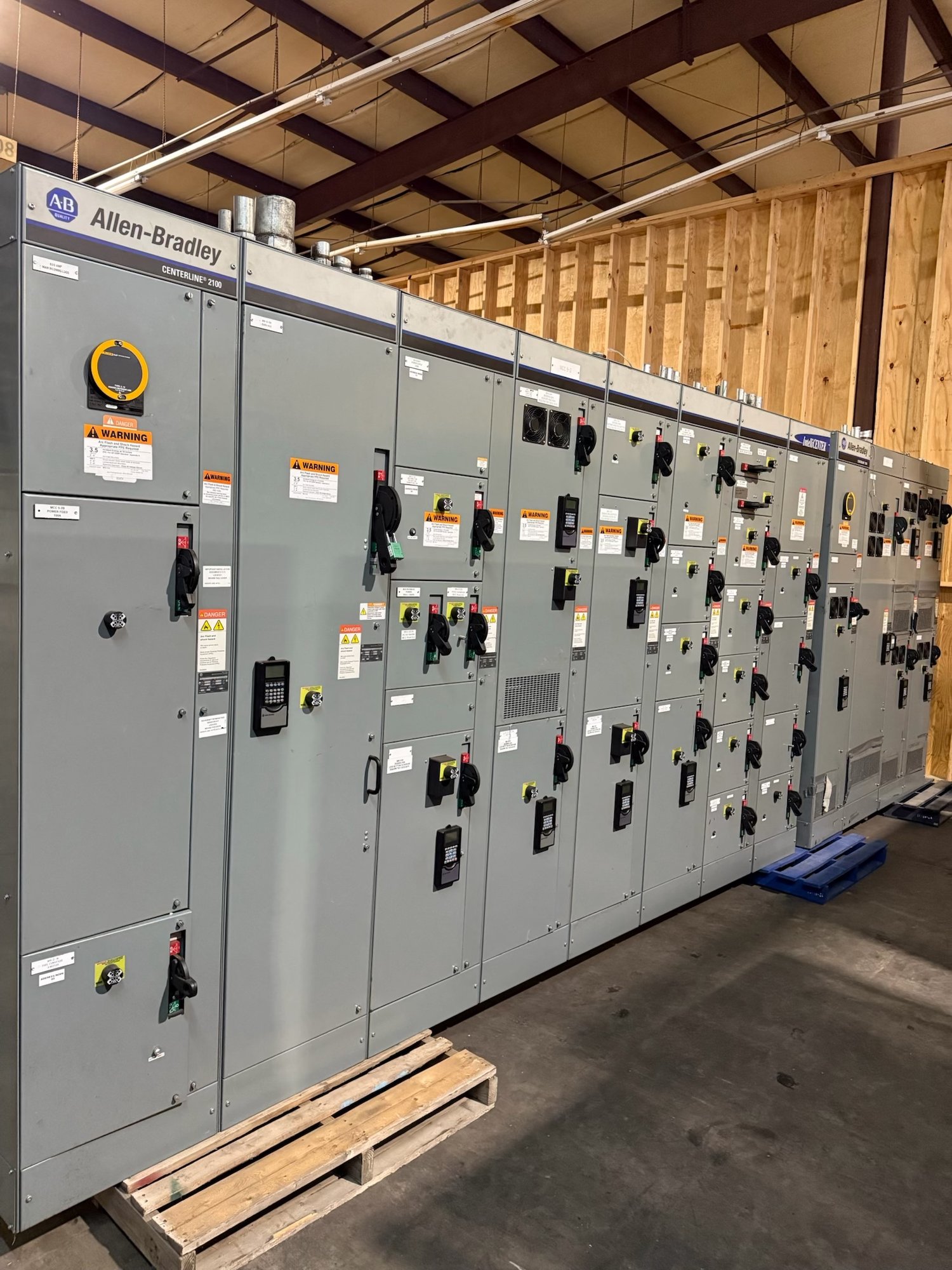
Define what “future-ready” means
Start with the likely change, not a general request for extra capacity. A facility may anticipate another feeder, a new production line, added HVAC equipment, or a separate tenant load. Each possibility affects the number and type of future sections, breaker arrangements, cable entry, and space needed for access. Identify which additions are reasonably foreseeable and which remain uncertain.
Share the expected load, voltage, phase, available fault-current information, system grounding, and any known load-growth assumptions with the project engineer and manufacturer. These inputs help determine what can be planned now and what must be verified later. A future provision is not approval for a specific load or a substitute for engineering review when the expansion is designed.
Separate section space from electrical capacity
An unused section or compartment provides physical room, but it does not by itself establish that the bus can carry added load. Ask whether the proposed bus arrangement, bus rating, connections, and protective-device layout can accommodate the anticipated addition. The answer depends on the complete assembly design and operating conditions, not simply on whether a space is vacant.
Also account for the path into and out of the future section. Cable bending space, conduit entry, termination locations, barriers, ventilation, and working clearances can constrain an expansion even when a section appears available on a layout. Provide room dimensions and site constraints early, including access routes and any limits on lineup length, height, or future construction around the equipment.
Specify provisions with boundaries
Describe what should be provided now: for example, an empty section, a defined bus extension arrangement, space reserved for a future device, or other documented provisions. State the anticipated device type and size if known, along with expected cable direction and entry point. Avoid treating “future-ready” as a complete specification; the phrase can mean different things to the engineer, installer, and purchasing team.
Clarify what is not being supplied or approved for later use. A reserved space may not include a breaker, controls, field wiring, or a completed connection to the bus. Future additions may require new calculations, equipment changes, shutdown planning, and review by the responsible engineer and authority having jurisdiction. Confirm the scope for each order rather than assuming a provision covers every future condition.
Resolve standards and system interfaces
For low-voltage switchboard assemblies, identify whether the project specification calls for a UL 891 assembly and describe the intended arrangement. UL 891 applies to switchboards; it is not a blanket listing for medium- or high-voltage switchgear. Where the project involves other equipment classes, state the applicable project requirements and have the engineering team confirm the standards and approvals that apply.
Expansion planning also depends on interfaces with the upstream source, downstream distribution, protection scheme, metering, controls, and grounding. Provide one-line diagrams and existing equipment information where available. If the future work may change available fault current or coordination, document that possibility for later study; no reserved section or bus provision alone establishes that the resulting system will meet design or code requirements.
Make the record useful years later
Request records that distinguish installed equipment from reserved provisions. Useful handoff information can include an approved one-line diagram, lineup and section drawings, bus and device schedules, connection details, and clear identification of spaces intended for later work. Keep the final documents with facility electrical records, and update them whenever equipment is added or modified.
Before purchase, agree on drawing review, revision control, and how deviations will be resolved. Give the manufacturer the project name or equipment tag, installation environment, intended lineup sequence, and known interfaces. Clear documentation helps a future engineer assess the original intent, but the engineer still needs to verify present conditions before specifying an expansion.
Prepare the quote and Georgia delivery plan
For a useful quote, provide the one-line diagram, equipment schedule, voltage and system details, anticipated future loads, desired reserve sections, bus-capacity expectations, enclosure and site constraints, and any required submittal documents. Identify what must be included in the initial assembly versus merely documented for later. Custom configurations and American-made components can be discussed against the project specification; exact scope, availability, and timeline are confirmed for each order.
For Georgia delivery, coordinate the destination, receiving access, unloading responsibility, and planned installation phase with the project team. Nationwide shipping can be arranged, with delivery details confirmed for the order; do not assume a particular schedule or site service. Before releasing the purchase, have the engineer and purchasing team confirm the expansion assumptions, required documents, and delivery sequence so the delivered sections match the intended project plan.