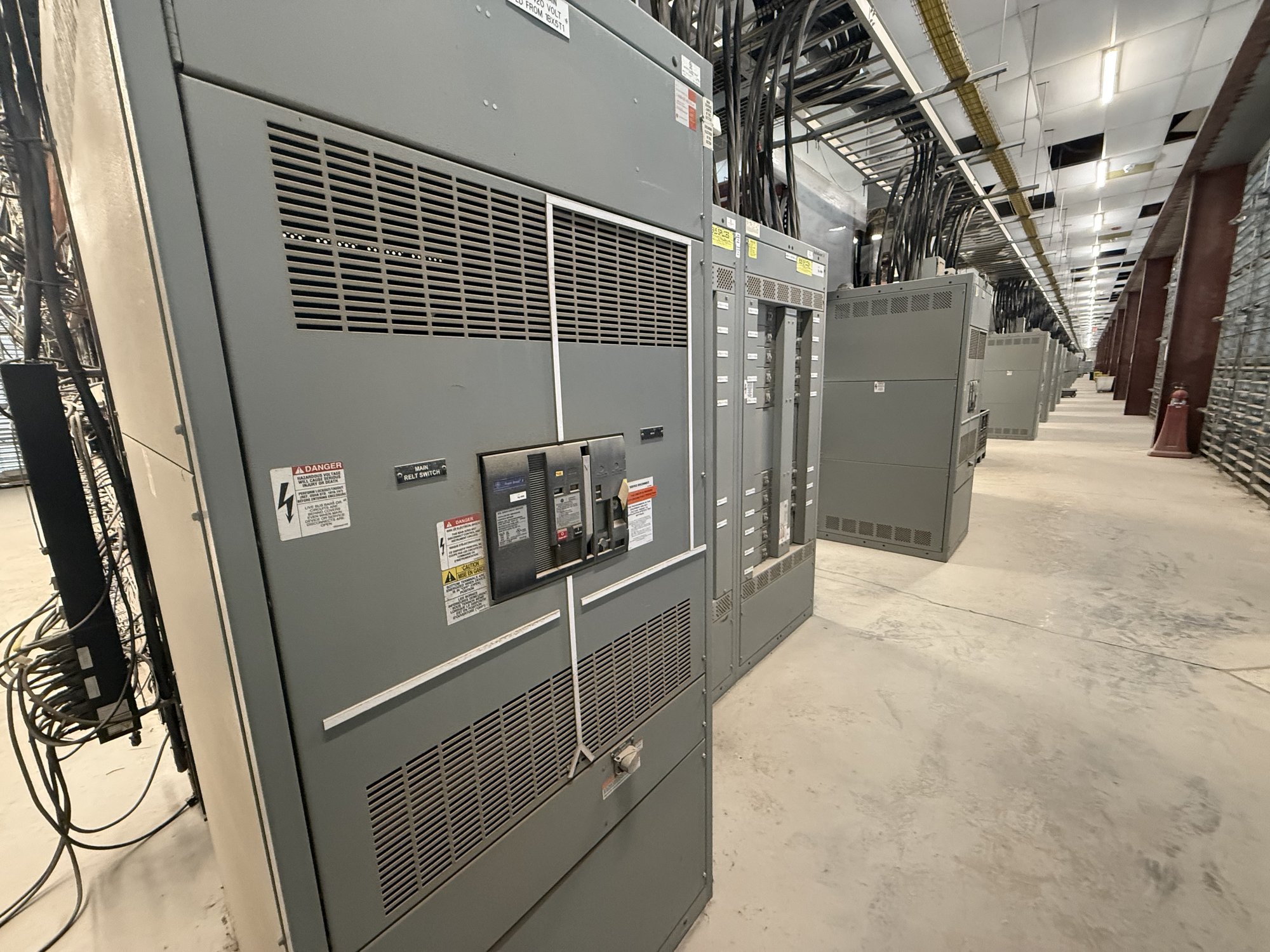
Define the harness boundary
Start by identifying which conductors belong in the harness and where it begins and ends. The scope may include internal control wiring, instrument connections, inter-section connections, or leads prepared for field termination. Specify the equipment compartments, devices, terminal blocks, and interfaces involved so the fabrication package distinguishes harness work from panel wiring and site-installed conductors.
For a quote, share the assembly layout, wiring diagrams, device and terminal schedules, and any existing harness drawings. Identify the switchboard or switchgear section affected, the number of assemblies, and whether harnesses must be supplied as part of a larger new equipment order. If the design is still developing, indicate what is fixed and what remains subject to engineering review.
Route conductors for fit and access
Routing should account for enclosure geometry, door movement, barriers, wireways, and access to devices and terminals. A harness that reaches every connection on paper can still interfere with removable covers, obstruct inspection, or require an impractical bend at a moving door. Drawings or marked-up layouts should show intended paths and any areas that must remain clear for operation, maintenance, or future access.
Provide relevant dimensional information, including compartment boundaries, device locations, available wireway space, and door or hinged-panel details. Identify routing constraints around power conductors, heat-producing components, and edges where protection may be needed. Final routing depends on the actual equipment design and applicable engineering review; do not assume a generic path will suit every enclosure or configuration.
Make wire identification unambiguous
Wire identification needs to match the controlling documentation at both ends and remain readable after the harness is installed. Specify the marking convention, including wire numbers, source and destination references, and any required terminal or device identifiers. If the project uses an established numbering scheme, provide its current legend and examples rather than relying on an informal description.
Resolve naming differences among schematics, terminal schedules, and device lists before fabrication. Call out requirements for marker placement, legibility, and identification of spare or reserved conductors. Consistent labels help installers trace connections and help facilities teams compare the completed assembly with approved drawings, but they cannot compensate for conflicting or incomplete source documents.
Separate circuits and specify terminations
Harness design should preserve the circuit separation shown in the approved design. Identify control, instrument, communication, and other circuit groups, along with any specified barriers, routing zones, or separation requirements. The required arrangement depends on circuit characteristics and project criteria; provide the governing drawings and engineering direction instead of asking the fabricator to infer separation from wire color alone.
For each termination, clarify the connection point and the required interface. Useful details include terminal or device designation, conductor size and type, termination style, ferrule or lug requirements, and whether one or both ends are prepared for connection. Flag field connections, plug-in interfaces, and conductors requiring extra length or a defined service loop. Final suitability must be established through the project’s engineering review.
Control drawings and revisions
Harness fabrication depends on a controlled drawing set. Identify the document numbers, revision levels, and approval status for wiring diagrams, layouts, terminal schedules, and bills of material. Design changes can affect conductor length, labels, branching, and connection points, so a revision issued after fabrication starts needs clear disposition before affected work proceeds.
Agree on how drawing questions and revisions will be handled in the order documentation. Provide a change log or marked-up sheets when revisions modify the harness, and state which documents govern if references disagree. The project handoff should make the as-built configuration traceable to the approved information supplied for fabrication, without assuming that outdated field copies reflect the delivered assembly.
Coordinate fabrication and Georgia delivery
When requesting pricing, include quantities, required delivery location in Georgia, target project milestones, and any packaging or identification needs for multiple sections or equipment lineups. Share the latest approved drawings, routing constraints, wire-marking rules, circuit-separation criteria, and termination schedule. These details help establish scope and allow availability and timing to be confirmed for the specific order.
Before release, review open drawing questions, confirm the revision set, and identify who will accept technical changes. Coordinate delivery with the site or equipment build schedule so harness assemblies can be received and matched to their intended sections. Send the current drawing package and a concise list of unresolved requirements with the quote request; confirm routing, labels, terminations, and delivery details before authorizing fabrication.