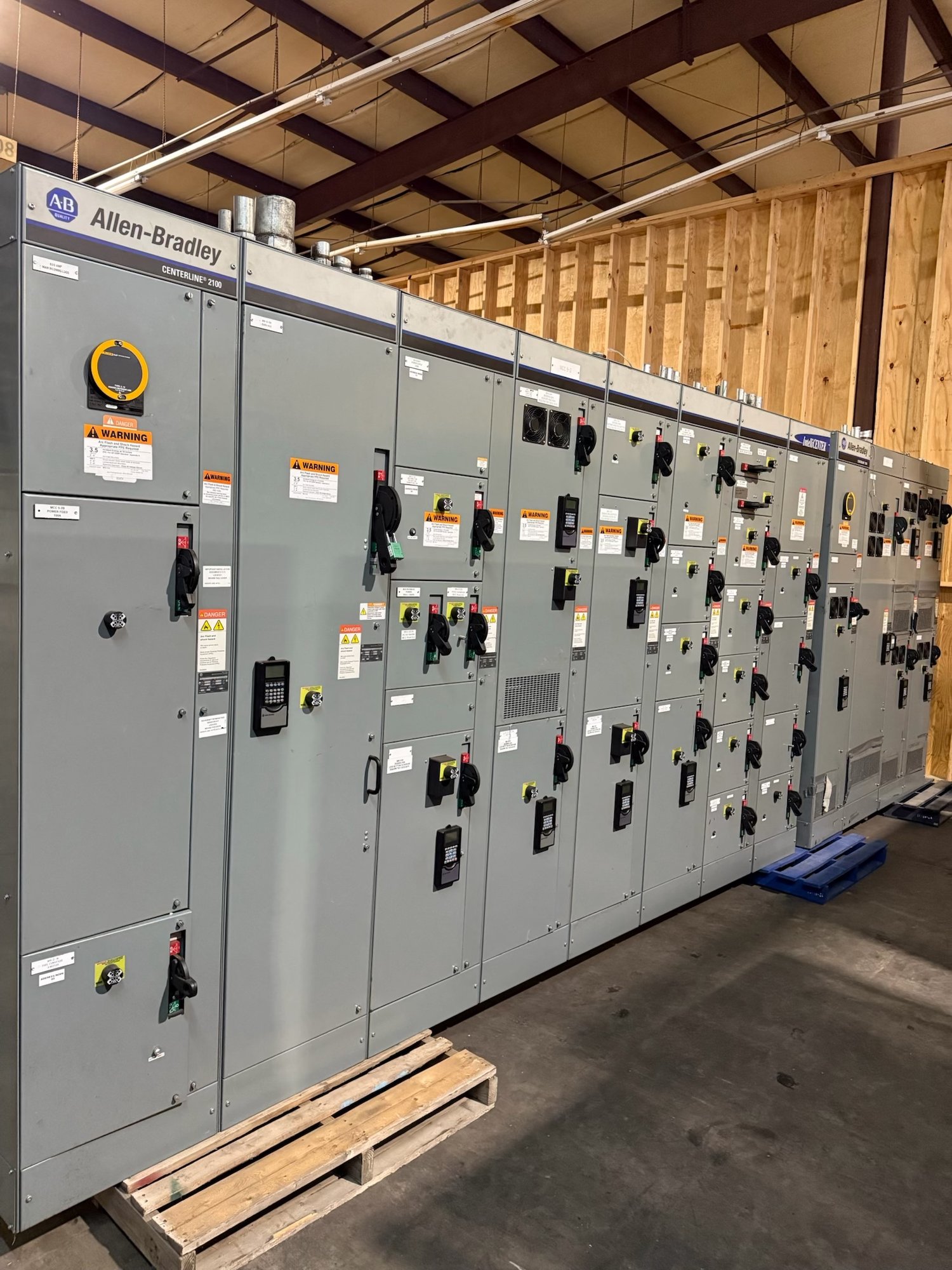
Define the Albany project and equipment scope
Start by identifying what the equipment will serve and where it fits in the electrical system. Note whether the request is for a switchboard assembly, another type of low-voltage distribution equipment, or a medium-voltage application. Include the service characteristics, system voltage, available fault-current information, feeder and branch requirements, and any one-line diagram or equipment schedule available for review. These details help establish a workable quote scope without assuming a design that has not been engineered.
Describe whether the project is new construction, an expansion, or replacement work, and clarify what existing equipment must connect to the new assembly. For replacement planning, record the existing lineup dimensions, cable entry locations, connection points, and any known coordination constraints. Photos and field measurements can help explain site conditions, but they do not replace verified drawings or engineering review. The goal is to identify questions early, before configuration and delivery assumptions become difficult to change.
Resolve technical and specification questions
A useful request package identifies the electrical and physical requirements that affect the assembly: main and feeder device arrangements, bus configuration, metering or control needs, enclosure type, access orientation, and cable or bus connections. Indicate the required ratings only when they are supported by project documents or engineering direction. If information is incomplete, flag it as pending rather than guessing; the design basis and final ratings need appropriate engineering review and acceptance by the authority having jurisdiction.
For a UL 891 switchboard request, identify that standard as part of the intended switchboard scope and confirm which assembly is being quoted. UL 891 applies to switchboards; it is not a blanket listing for medium- or high-voltage switchgear. For other equipment categories, state the applicable project specifications and evaluation requirements so the proposal can address the correct product scope. No standard reference alone establishes that a particular design meets the project or site requirements.
Coordinate engineering with procurement
Engineering and purchasing can reduce rework by agreeing on the document set and decision owners before release. Share the latest one-line diagram, specifications, load or feeder schedules, control requirements, and any owner or consultant standards. Identify which documents govern if they conflict, who reviews submittals, and which decisions must be approved before fabrication. If a design change is expected, describe its status and timing so it can be treated as an open item rather than silently built into the quote.
Procurement should also distinguish firm requirements from preferences. List acceptable component or configuration alternatives only where the project team has authority to approve them, and identify any required manufacturer documentation. Confirm whether the purchase covers the assembly alone or includes defined accessories or project-specific documentation. American-made components are a focus of our supply approach, but component selection and availability depend on the final scope and are confirmed for each order.
Plan delivery to the Albany site
Delivery planning for Albany begins with the receiving location and the route from truck access to the equipment setting area. Share the complete delivery address, receiving hours, site contact role, unloading arrangements, access restrictions, and whether the truck can reach the intended offloading point. Note gate limits, construction-site conditions, staging space, indoor storage, and any restrictions on delivery size or timing. These details help determine how the equipment should be prepared and what coordination is needed before dispatch.
Consider the switchgear path into the building as well as transport to the site. Door and corridor clearances, turning space, floor capacity, lifting access, and the planned setting sequence can affect whether the assembly should be configured or handled in sections. Provide the relevant dimensions and handling requirements from the project team, then verify them against approved equipment drawings. Nationwide shipping can serve Georgia projects, but the delivery method, availability, and schedule are confirmed for the specific order; do not treat an estimated date as a guaranteed arrival.
Make the quote request complete
For a practical quote, send the project location in Albany, equipment type, requested quantity, target delivery window, and current drawings or specification documents. Add known electrical ratings, lineup dimensions, connection details, environmental conditions, and required options. State the project phase and identify open design questions, submittal milestones, and any procurement deadline. If drawings are not ready, explain what is available now and when the remaining information is expected.
Also describe the delivery conditions and the intended project handoff. Identify who will review the proposed configuration, who can approve substitutions or clarifications, and what information the purchasing team needs to compare scope. Quote intake is more useful when assumptions and exclusions are visible, especially for unresolved ratings, accessories, interfaces, and schedule dependencies. Exact scope, component availability, and timeline are confirmed for each order rather than inferred from a preliminary request.
Carry the order through project handoff
After the scope is reviewed, keep engineering, procurement, and site coordination aligned around the same approved documents. Route questions about electrical design and system suitability through the responsible qualified professionals, and coordinate installation and energization with qualified personnel under the project’s procedures. Review the approved equipment drawings for dimensions, connections, access, and handling before the site is committed to a setting plan. Changes after approval should be documented and assessed for effects on configuration, schedule, and delivery.
Before requesting a quote, gather the current one-line diagram, equipment requirements, Albany receiving details, and target project dates, then mark information that remains open. This gives the manufacturer a concrete basis to review the requested scope and identify what must be resolved next. With a clear technical package and a realistic delivery plan, your project team can make procurement decisions with fewer avoidable handoff gaps.