Start with the complete equipment scope
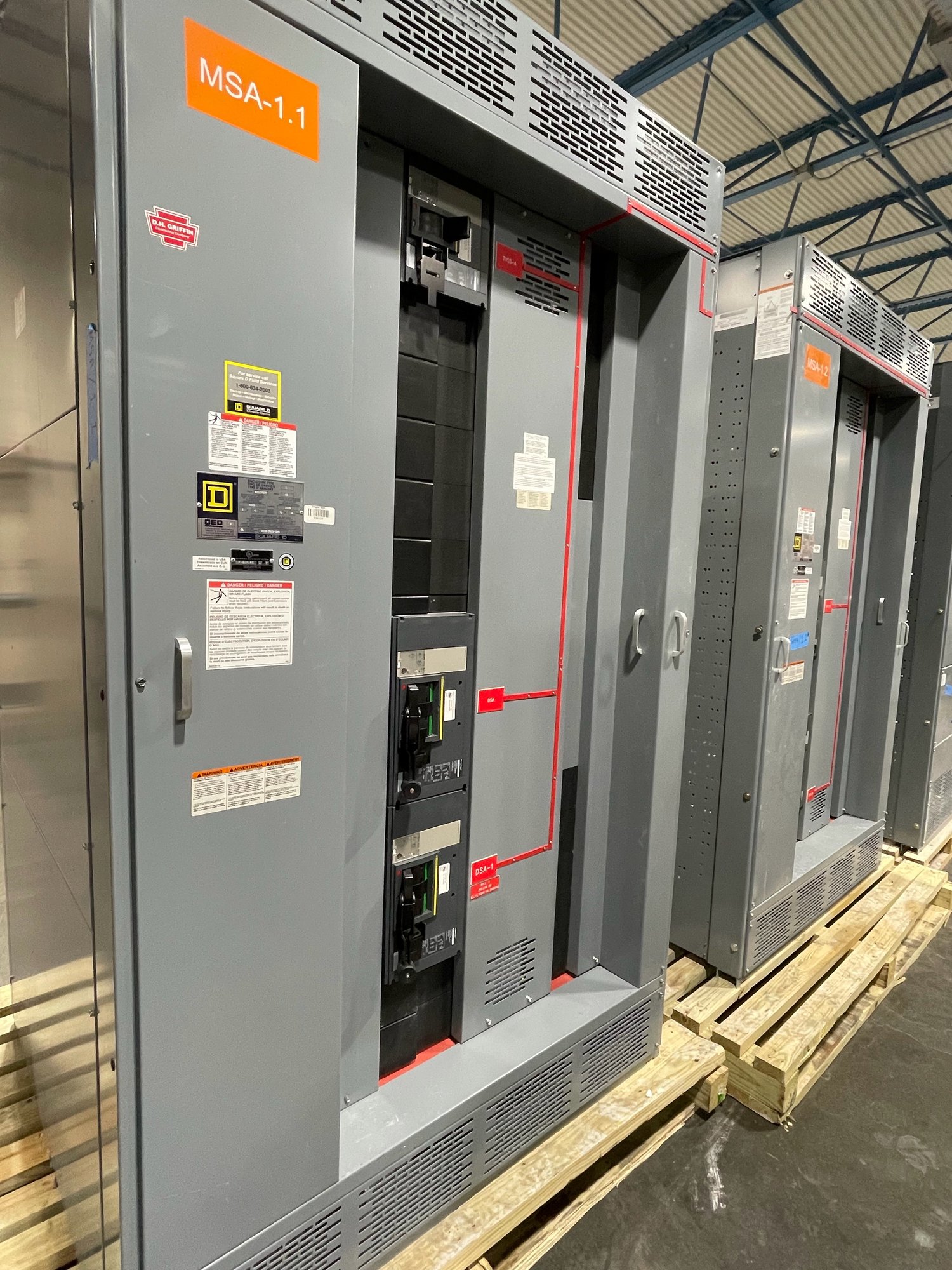
A quoted delivery date is useful only when it applies to the equipment and options the project actually requires. Confirm whether the scope is a UL 891 switchboard assembly, another type of low-voltage equipment, or medium-voltage switchgear; the applicable standards and component selections differ. Provide the one-line diagram, equipment schedule, required ratings, enclosure details, and a clear list of options so the manufacturer can review the intended configuration.
Ask which date the supplier is reporting: component availability, start of assembly, completion, or shipment. These are different milestones. Clarify whether the estimate assumes approved drawings, released-for-production documentation, and timely resolution of exceptions. A schedule based on an incomplete specification may change when a required device, control feature, or physical arrangement is confirmed.
Identify breakers and protective devices
Circuit breakers can influence the schedule because the required frame, trip unit, interrupting rating, accessories, and quantity must all match the design. Identify main and feeder devices, spare or future provisions, and any special operating features. Ask whether the quoted configuration is based on a specific manufacturer and model, and whether substitutions would require engineering review or approval from the project’s responsible parties.
Protective relays, metering, current transformers, and voltage transformers can also affect coordination. Share required functions, communications protocols, accuracy needs, and interface requirements rather than relying on a general label such as electronic trip. Ask which items are included in the quoted lead-time basis and whether settings, wiring details, or approved submittals are needed before procurement can proceed.
Check controls, communications, and accessories
Control components are easy to overlook when estimating procurement time. Specify control power, control switches, indicating lights, terminal blocks, interlocks, and any remote status or operation points. For networked equipment, identify the protocol, required gateways, and the signals expected by the facility system. A late change to control logic or communications hardware may affect drawings, wiring, testing, and component selection—not just the parts order.
Ask the manufacturer to identify components that depend on project-specific selections or documentation. For example, confirm who supplies control schematics, whether field interfaces are included, and what information is required to finalize device lists. Do not assume an accessory is interchangeable because it appears similar; substitutions can change interfaces or require review by the design engineer and other approving authorities.
Verify lead-time evidence and assumptions
Request a component-level schedule for items identified as schedule-sensitive, with the supplier’s basis and date of confirmation. Ask whether the information reflects current supplier input, a planning estimate, or an order acknowledgment. Confirm how long the estimate remains valid and what event triggers a revised forecast. A general statement that equipment is available does not establish that every specified component is allocated or ready for the project.
For each critical item, ask what could change its timing: drawing approval, submittal review, a selection still pending, a required accessory, or a supplier’s allocation decision. Ask how changes will be communicated and whether alternate configurations can be evaluated before release. Any alternate should be reviewed for electrical, functional, physical, and project requirements rather than accepted solely to preserve a date.
Coordinate release, delivery, and site readiness
Procurement timing depends on a clean handoff from design to production. Establish who approves drawings, who resolves technical exceptions, and when the approved configuration is authorized for manufacture. Share required on-site dates separately from preferred shipment dates, along with receiving hours, unloading arrangements, access limits, and any phased-delivery needs. These details help the manufacturer assess the planned sequence without treating transit as the same milestone as production completion.
For Georgia projects, provide the full delivery address and site constraints early, including whether equipment must reach a construction site, service entrance, or designated receiving location. Confirm the planned shipping point, freight assumptions, and any coordination needed for delivery appointments. Exact scope, component availability, and timing are confirmed for each order; the project team should align supplier updates with its construction schedule and maintain contingency for unresolved dependencies.
Prepare a useful request for quotation
A focused request should include the one-line diagram, equipment schedules, required standards, ratings, breaker and relay details, control and communications requirements, enclosure conditions, and any specified component manufacturers. State what remains open for engineering review. Include the target shipment or site date, the approval process, and Georgia delivery requirements so the quote can distinguish confirmed scope from assumptions.
Before placing an order, compare the quoted configuration with the latest design documents and ask for written confirmation of the schedule basis, critical components, required approvals, and remaining decisions. Assign owners and due dates for open items, then update the project schedule when supplier information changes. This turns a broad lead-time estimate into a traceable procurement plan and gives the project team a clear next step.