Define the records the project needs
Start by identifying the documentation required for each relay and each protection function. A useful package may include the native setting file, a readable settings report, relay model and firmware information, CT and VT ratios, applicable logic or configuration files, and the associated study report. Specify file formats and whether editable source files are required; a PDF alone may not support later review or controlled changes.
Ask how settings will be associated with the equipment: by switchboard section, feeder designation, relay tag, serial or catalog information, and drawing reference. Consistent identifiers help a technician connect a file to the installed device instead of relying on a filename that may be ambiguous after years of project changes. Define who supplies each item and at what project milestone.
Make study assumptions visible
A setting value cannot be reviewed in isolation. Its basis may depend on the one-line diagram, system operating configurations, available fault current, grounding method, transformer data, CT characteristics, load information, and upstream or downstream protective-device curves. The record should identify the source and revision of key inputs, note assumptions, and distinguish confirmed data from values still awaiting utility or project verification.
Clarify who performs the protection study and who provides the information needed to complete it. The switchgear manufacturer can coordinate relay and assembly documentation within the agreed scope, but should not be presumed to establish system settings without defined engineering responsibility and verified inputs. If the study is by others, specify the deliverables, review interfaces, and timing needed before settings are loaded or approved.
Set approval and release checkpoints
Establish a review path before procurement is complete. Identify the responsible protection engineer, facility representative, contractor and other required reviewers, along with the document status that authorizes release for implementation. A study may pass through preliminary, review and approved revisions; label these states clearly so draft values are not mistaken for authorized settings.
Resolve practical questions in the specification: who approves the study and setting file, whether comments must be closed before release, and who confirms relay model and firmware compatibility. Also state whether the approved file is to be supplied before shipment, during commissioning, or in the final turnover package. The project schedule and exact deliverable scope should be confirmed for the order rather than assumed.
Control changes from study to field
Settings can change when utility data, equipment details, operating modes or coordination decisions change. Keep a revision history that records the date, affected relay, prior and new file identifiers, reason for change, author, reviewer and approval status. Preserve superseded versions in a controlled archive; do not overwrite the only record of the configuration previously approved.
Define how field changes return to the project record. Commissioning may reveal a mismatch between the approved file and the installed relay, or an authorized adjustment may be needed after testing. Require the final as-left file and associated test or verification records, with the revision and device identity reconciled against the drawings. Access to setting changes should follow the facility’s qualified-personnel and authorization procedures.
Coordinate documentation with the equipment order
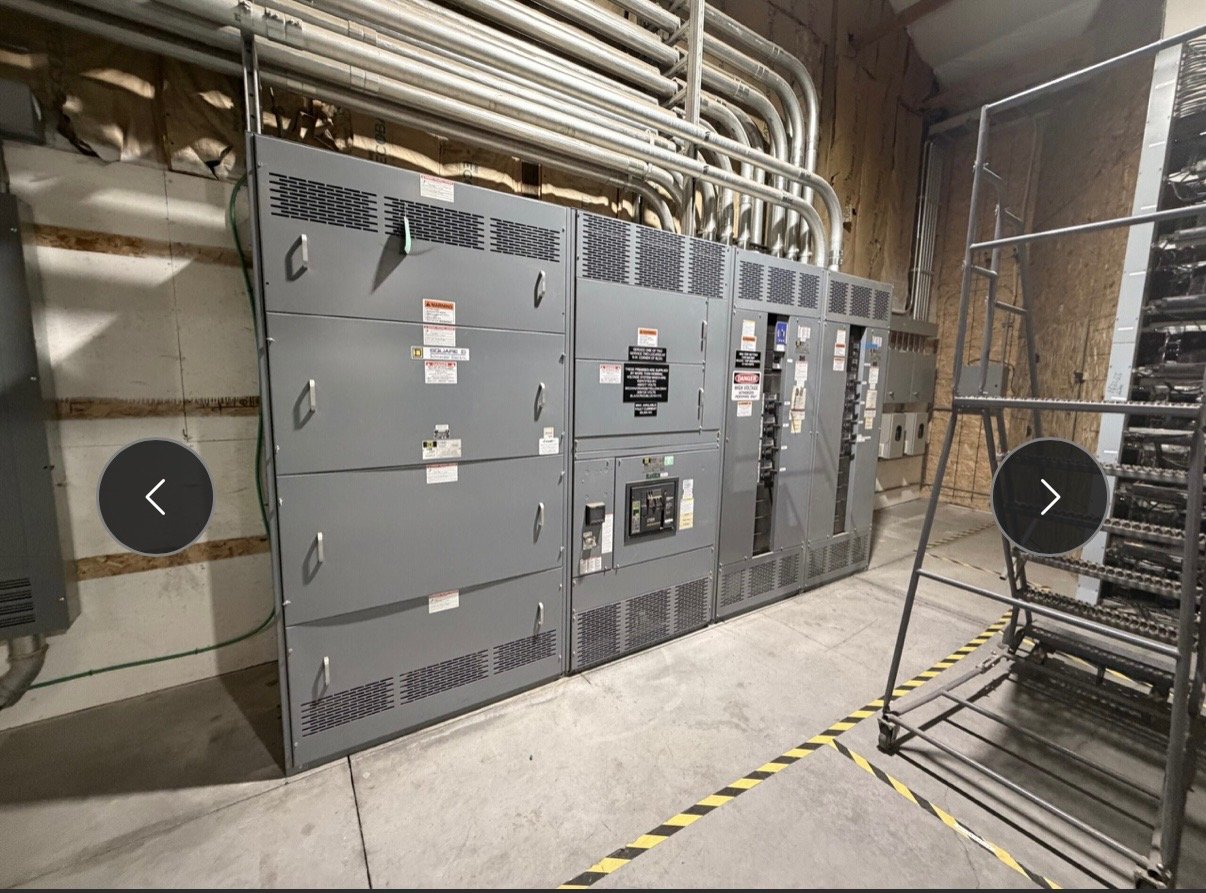
For a new UL 891 switchboard assembly, identify which protective devices and documentation are included in the requested scope. UL 891 applies to switchboard assemblies; it does not establish a blanket listing for medium- or high-voltage switchgear or approve a protection study. Confirm relay functions, quantities, communication or file-transfer needs, and any required interfaces from project documents rather than assuming a standard configuration.
For a quote, share the one-line diagram, equipment schedule, relay specifications, study responsibility, required file formats, approval workflow and target submittal and delivery milestones. Include the Georgia project destination and site receiving constraints so shipment planning can be coordinated with the equipment schedule. Component availability, configuration and timing depend on the defined order and are confirmed for each project.
Build a usable handoff
A complete handoff should let the next maintenance planner find the approved settings, understand their engineering basis and determine whether a later change was authorized. Organize files by equipment identifier, include a revision index and document status, and provide a clear distinction between study recommendations, approved settings and as-left configuration. Agree on the electronic transfer method and the party responsible for retaining the controlled master.
Before releasing the specification, assign an owner for each record: study assumptions, approved setting file, field verification and final archive. Ask prospective project participants to confirm the required format, review sequence and turnover point, then include those decisions in procurement documents. This small step gives Georgia facility teams a traceable starting point for future maintenance without treating an old file as current approval.