Start with the production process
A manufacturing project should begin with the loads the electrical system must serve, not just a requested equipment label. Identify process lines, motors, heaters, pumps, compressors, material-handling systems, and supporting loads such as lighting and HVAC. For each, provide available nameplate data, voltage and phase, horsepower or current, starting method, and whether operation is continuous, intermittent, or cyclical. Note which loads must remain available during maintenance or a production changeover.
The timing and behavior of loads can affect equipment selection and arrangement. Share known simultaneous operating conditions, planned equipment additions, and any expected changes to the process. If a line has a large motor start, variable-frequency drive, or process sequence that changes demand, include the relevant design information. Our team can use project documents to develop a configuration for engineering review; final ratings and coordination depend on the actual system and its design criteria.
Define the distribution scope
Clarify whether the order is for a switchboard assembly, switchgear, or a defined portion of a larger distribution system. Provide the one-line diagram, system voltage, available fault-current information, service or feeder arrangement, and specified protective-device requirements when available. Include the intended source, downstream distribution, metering needs, and any interface with transformers, generators, or other equipment. If design information is incomplete, identify what is pending rather than assuming a value.
UL 891 applies to switchboard assemblies; it is not a blanket listing for medium- or high-voltage switchgear. State the required equipment type and applicable project specifications so the proposed scope can be reviewed accurately. The engineer of record and authority having jurisdiction determine the design criteria and acceptability for the installation. Final equipment details, ratings, and certifications must be confirmed for the specific assembly and order.
Plan around maintenance and production access
Maintenance planning starts with the facility’s operating reality. Explain whether equipment can be de-energized for service, how long an outage can last, and which process areas are affected by a shutdown. Share any planned redundancy, alternate-feed strategy, isolation requirements, or maintenance windows defined by the facility engineer. These details help the project team evaluate arrangement and distribution needs without assuming that a particular operating scheme is appropriate.
Room and access conditions matter as much as electrical data. Provide the available footprint, ceiling height, door and corridor dimensions, equipment access route, and any restrictions on moving or positioning sections. Note environmental conditions, housekeeping constraints, and nearby process equipment that could affect placement or access. The installing contractor and responsible engineers should verify clearances, working space, ventilation, and installation requirements against the approved design and applicable rules.
Coordinate specifications and procurement
A useful request for quotation identifies the project location in Marietta, equipment function, requested scope, target delivery window, and the documents governing the work. Include drawings, schedules, technical specifications, preferred component details, and approved deviations or alternates, if any. Call out the status of engineering review and identify who will resolve comments. This gives procurement and engineering a shared basis for comparing scope rather than relying on a generic description of manufacturing loads.
American-made components and custom-built configurations may be considered where they fit the specification, but component selection, availability, and lead time are confirmed for each order. If a named component is mandatory, state that clearly; if an approved equivalent may be considered, provide the acceptance process. Confirm quantities, shipping destination, required submittal information, and any sequencing needs for multiple equipment sections before purchase.
Make delivery part of the project plan
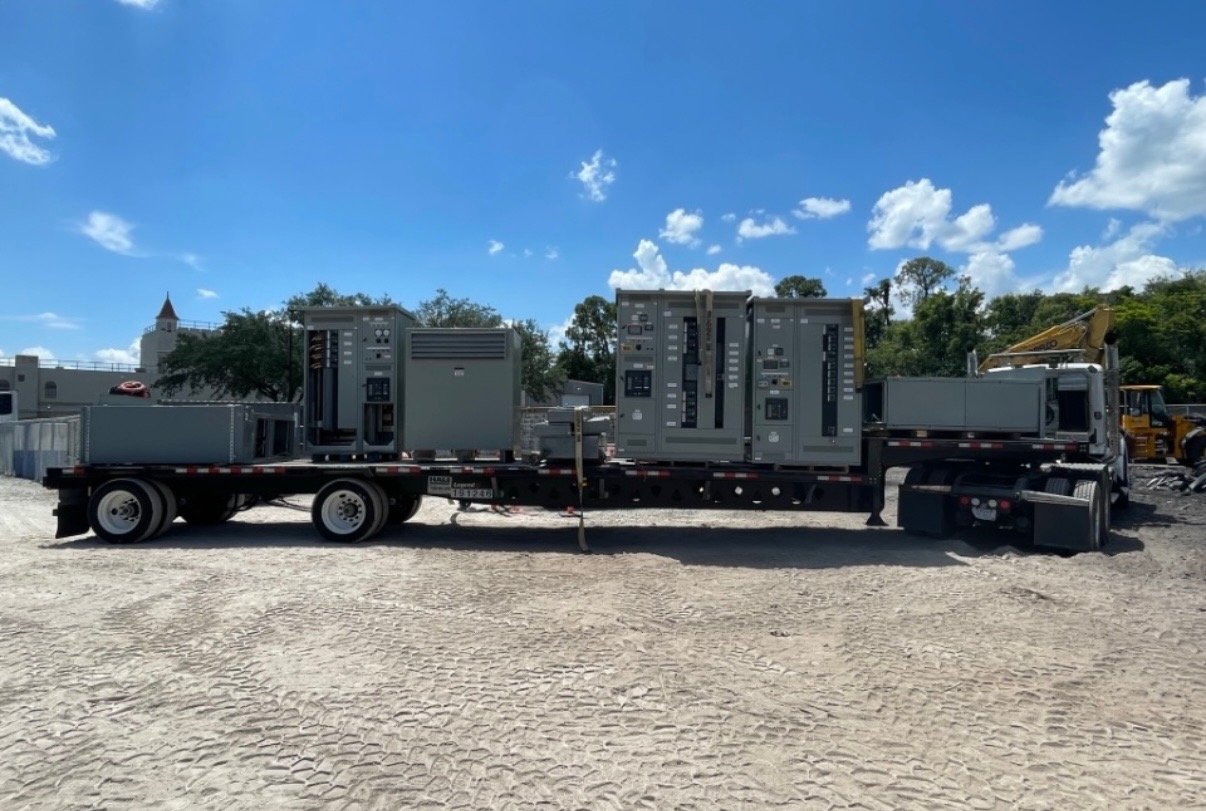
Georgia delivery should be coordinated with site readiness and the installation sequence. Share the receiving address, site contact role, unloading arrangements, delivery access limits, and whether the facility can receive a complete assembly or requires staged sections. Mention restrictions on truck access, receiving hours, security procedures, and storage conditions. Delivery plans and timing are confirmed for the order; do not schedule removal of existing equipment or a production outage until the project team has verified the equipment and site schedule.
For a smoother handoff, align approved submittals, equipment identification, shipment configuration, and receiving responsibilities before release. The facility team, electrical contractor, and engineer should agree on who checks the shipment, handles storage, and verifies installation prerequisites. Confirm that field dimensions and connection information match the approved documents, and route changes through the project’s review process. This reduces avoidable uncertainty when equipment reaches a working manufacturing site.
Prepare a quote package that answers the key questions
For a project-specific quote, send the one-line diagram and equipment schedule, available system data, process-load summary, installation location, and required delivery window. Add room and access dimensions, maintenance constraints, specification sections, component preferences, and the status of engineering approval. Identify open items such as fault-current data or final feeder counts so the scope can distinguish confirmed requirements from assumptions requiring resolution.
Before requesting pricing, have the Marietta project team confirm the equipment boundary, operating priorities, and delivery sequence. We can then review the requested new equipment configuration, clarify scope questions, and confirm component availability and timing for the order. This practical starting package helps manufacturing, engineering, and procurement make decisions against the same facility requirements.