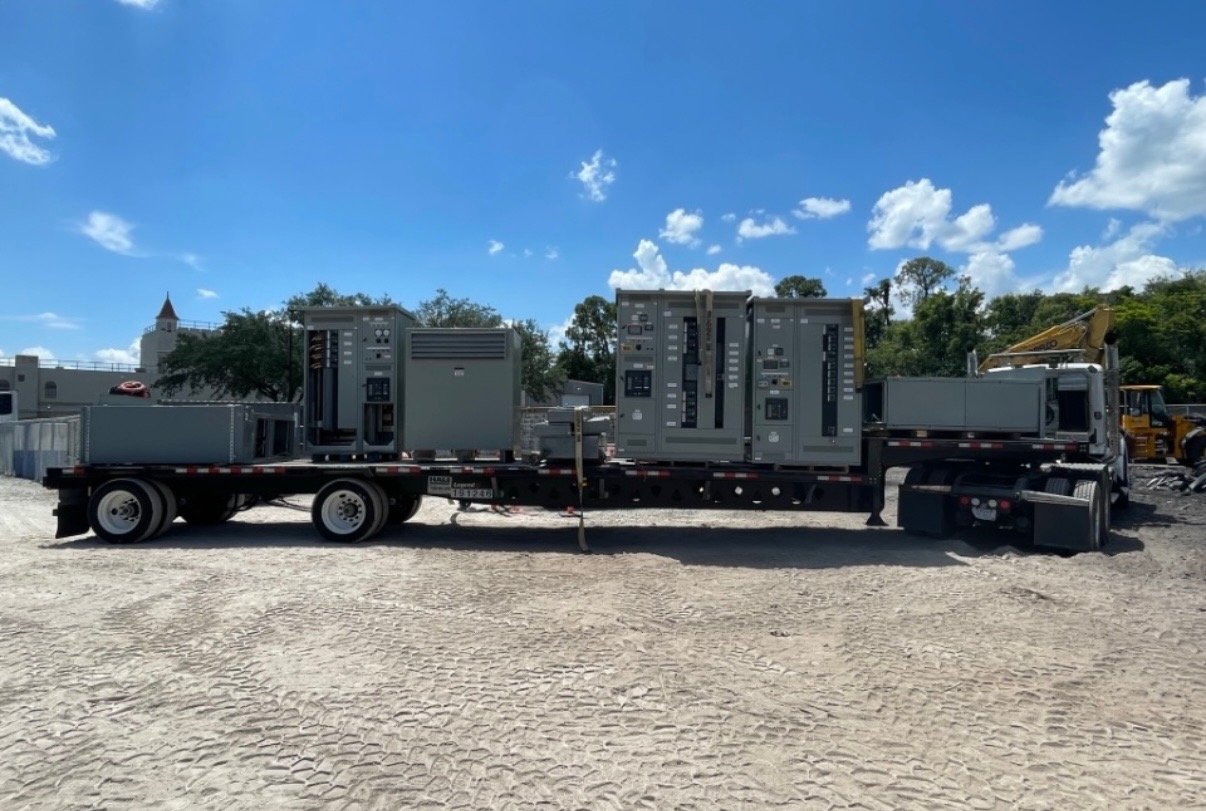
Start with the essential-power arrangement
For a hospital, clinic, or other healthcare facility, the first specification question is how the proposed equipment fits the documented power distribution and essential electrical system. Identify the normal and alternate sources, transfer equipment, emergency distribution, and the loads served by each section. Include one-lines and panel or feeder schedules where available; they help distinguish switchgear scope from equipment that belongs elsewhere in the system.
Do not assume that a replacement lineup can preserve the existing arrangement simply because its overall dimensions appear similar. Confirm system voltage, phase, frequency, available fault current, bus ratings, protective-device requirements, enclosure conditions, and cable entry locations through the project’s engineering process. The facility engineer and electrical design team should resolve discrepancies between drawings, field conditions, and current requirements before equipment is released.
Plan phasing around continuity of care
Replacement work in an operating healthcare facility can depend on a carefully defined outage sequence. Establish which loads must remain available, what temporary power or alternate feed arrangements the project team will provide, and when each shutdown is permitted. Separate equipment procurement from the contractor’s switching, installation, testing, and commissioning plan; a delivered lineup does not itself establish a safe or approved transition.
Ask the design team to identify demolition boundaries, tie-in points, required shutdown windows, and any interim configurations that need review. Confirm access routes, staging limits, floor loading, and the space needed to move sections into place. These details affect lineup dimensions and shipment planning, while the facility’s authorized personnel and qualified electrical contractors retain responsibility for work, switching, and energization.
Define the equipment and documentation scope
A useful request for quotation states whether the project calls for switchgear, a switchboard, or both, and identifies the lineup sections, incoming and feeder devices, metering, control power, and accessories included in the package. For UL 891 switchboard assemblies, identify the intended assembly scope and applicable project requirements. UL 891 applies to switchboards; it should not be treated as a blanket listing for medium- or high-voltage switchgear.
Provide the latest single-line diagram, equipment schedules, specifications, available fault-current information, and any approved deviations or alternates. Note required dimensions, conduit or bus connections, cable termination preferences, control interfaces, and documentation needed for review. We can evaluate a custom-built configuration against the information supplied, but ratings, certifications, and final design details must be established for the actual equipment and approved through the project’s engineering and authority review.
Coordinate procurement with the construction sequence
Healthcare schedules often connect equipment release to design approvals, long-lead decisions, and planned outages. Identify the date the contractor needs approved submittals, the required delivery window, and any milestones tied to site access or installation. American-made components and short lead times are important project considerations, not a promise that every component is available immediately; exact availability and production timing are confirmed for each order.
For an Albany project, share the delivery address, receiving hours, unloading arrangements, site contact role, and any restrictions on truck access or staging. Georgia delivery is coordinated to the order’s equipment configuration and project schedule, with service coverage and shipping details verified individually. If the site cannot receive a complete lineup at once, state the constraint early so the team can assess whether the proposed shipping and installation sequence is practical.
Make the handoff usable for the facility team
A strong closeout plan connects the approved submittal to installation and future maintenance. Before release, confirm the equipment identification, circuit naming, drawings, device information, and required operating or maintenance documentation. The project team should also agree on how revisions will be tracked so field crews and facility staff are working from the current documents rather than superseded schedules.
For a quote, send the project location in Albany, equipment type and scope, one-line diagram, specifications, target approval and delivery dates, and known outage, access, and receiving constraints. Include the person responsible for technical decisions and note what remains unresolved. This gives us a basis to confirm configuration, component availability, delivery coverage, and timing for the specific order, while your engineer and facility team finalize the system design and replacement plan.